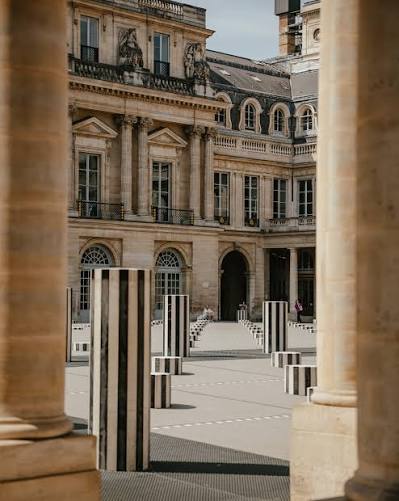
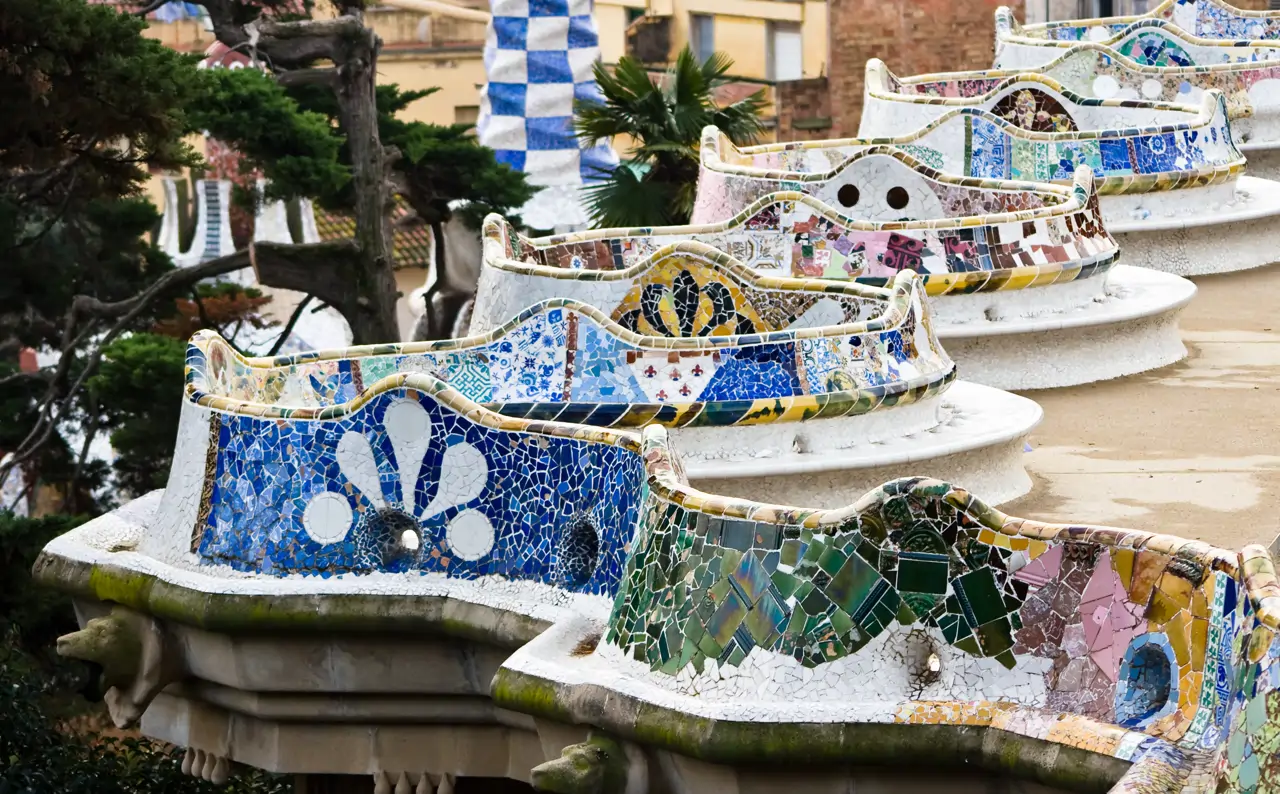
ArtMaps began with a simple frustration: the feeling that a work could be one street away and remain completely outside your awareness.
ArtMaps began with a simple frustration: the feeling that a work could be one street away and remain completely outside your awareness.
ArtMaps began with a simple frustration: the feeling that a work could be one street away and remain completely outside your awareness.
The more we looked, the larger the question became.
The more we looked, the larger the question became.
The more we looked, the larger the question became.
Can I ...
Can I ...
Can I ...
Find it?
(01)
Find it?
(01)
Find it?
(01)
REACH IT?
(02)
REACH IT?
(02)
REACH IT?
(02)
GET INTO IT?
(03)
GET INTO IT?
(03)
GET INTO IT?
(03)
A work can be close and still remain invisible.
Travelling somewhere unfamiliar often came with the same nagging thought: there could be an extraordinary work only a street away, and no obvious way of knowing it was there. A sculpture tucked into a square, a mural on a side street, an architectural intervention passed without a second glance - works that could alter the experience of a place, yet remain remarkably difficult to find unless you already know what you are looking for. The frustration was not simply about missing something worth seeing. It was the thought of moving through a city without ever becoming aware of part of what makes that place culturally distinctive.
It can be visible and still remain out of reach.
The second frustration was more personal. Sharing those encounters with a mother who uses a wheelchair often meant discovering that locating a work was only half the problem. Information about step-free access, surfaces, gradients, obstacles or even whether the work could be comfortably approached was frequently absent. A pin on a map could say where something was. It could not necessarily say whether everyone could experience it. What should have been a shared encounter could instead become an exercise in uncertainty - or exclusion.
It can be within reach while still feeling as though the conversation was meant for someone else.
The third frustration came from trying to share a love of art with friends who did not necessarily think of themselves as art lovers. Traditional museum experiences could sometimes feel distant, overly academic or simply disconnected from the way they wanted to engage. The answer was never to make the art simpler. It was to make the first step easier. Not from turning art into a game, but from creating more ways into it. Questions. Details to notice. Challenges. Connections to follow. Reasons to look again. Ways to learn almost without noticing that learning was happening. That impulse became the more playful side of ArtMaps: an experience designed to invite curiosity rather than assume expertise.
You can see the whole work and still only see part of it.
Some works disclose themselves slowly. What first appears playful may carry grief. What looks decorative may be political. A material, a gesture or even an absence can point towards histories that are impossible to infer from appearance alone. Context matters - but not because every work has one hidden meaning waiting to be decoded. Quite the opposite. Art can hold several readings at once: intended and unintended, historical and contemporary, personal and collective. The role of mediation should be to make those layers available without collapsing them into a single answer. Not to tell you what to see, but to give you more to see with.
Those were personal questions. The barriers they exposed were not.
Those were personal questions. The barriers they exposed were not.
DISCOVERABILITY
ACCESS
PARTICIPATION
INTERPRETATION
ArtMaps began where all four meet.
And once you start asking those questions, others follow
A work is shaped by more than what we see. By where it stands, how it changes and what surrounds it.
ArtMaps follows those relationships across place, time, evidence and memory.
What exactly
What exactly
What exactly

are we looking at
are we looking at
are we looking at
Why
Why
Why
here
here
here
Who made it
Who made it
Who made it
whose labour made it possible
whose labour made it possible
whose labour made it possible
Who put it here
Who put it here
Who put it here

who cares for it now
who cares for it now
who cares for it now
What is present
What is present
What is present

what is missing
what is missing
what is missing
What was meant to
What was meant to
What was meant to
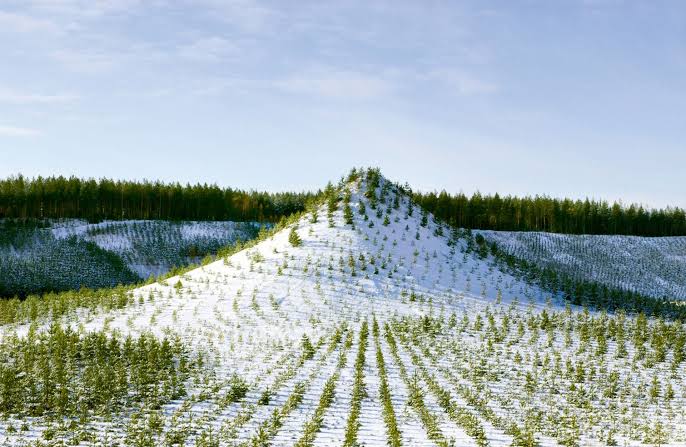
endure or change
endure or change
endure or change
Whose version
Whose version
Whose version
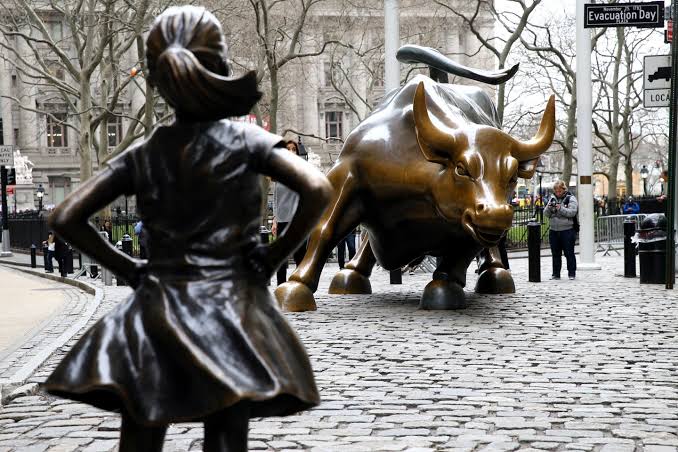
holds
holds
holds
What changed around
What changed around
What changed around

and in it
and in it
and in it
Who can
Who can
Who can

encounter it
encounter it
encounter it
What outlives
What outlives
What outlives

the work
the work
the work
When does absence
When does absence
When does absence
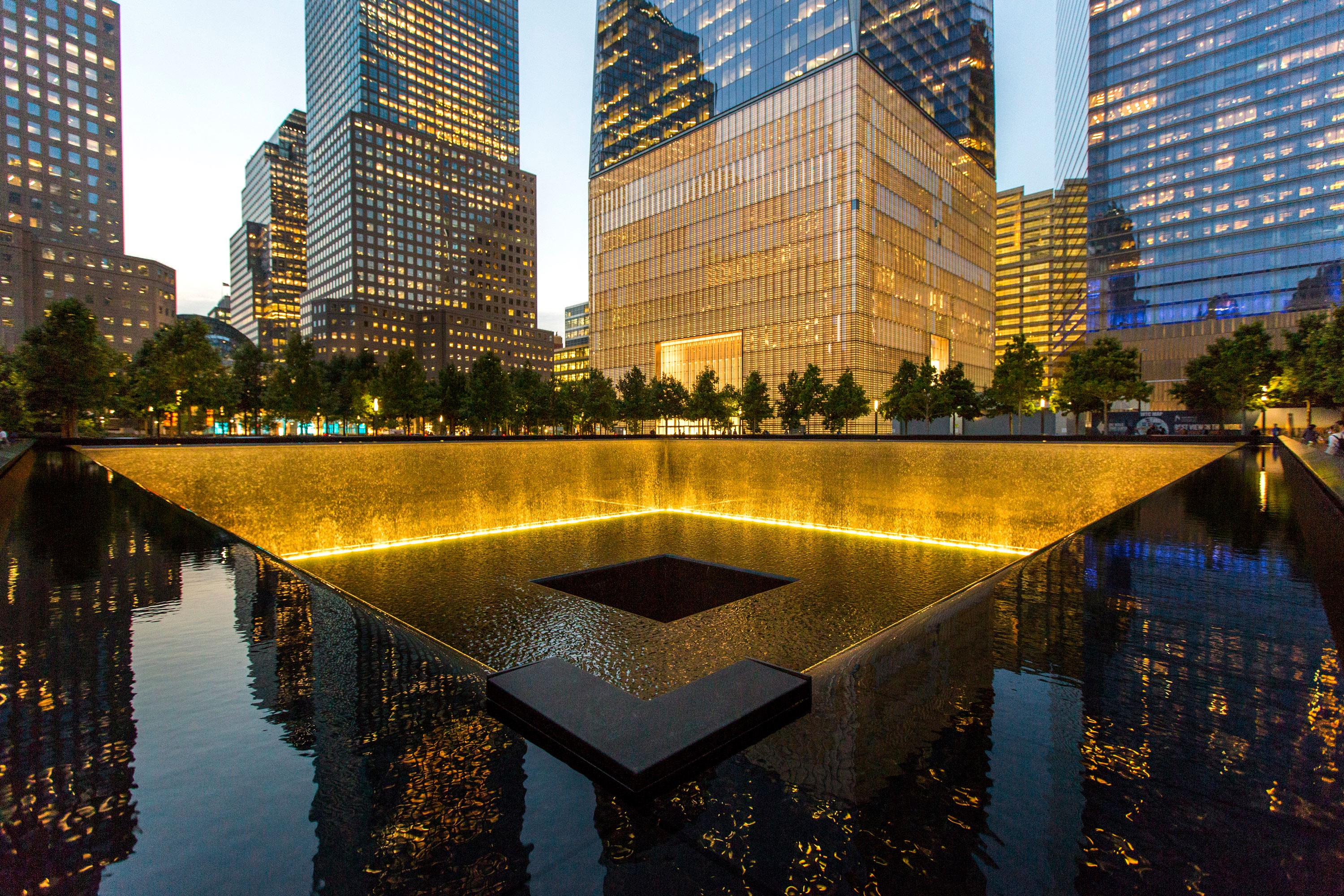
become evidence
become evidence
become evidence
Which version
Which version
Which version

are we actually seeing
are we actually seeing
are we actually seeing
The open-air museum has its own rules
Richard Serra, Tilted Arc, Federal Plaza, New York · installed 1981 · removed 1989

Not a museum without a roof, but a museum exposed to weather, use, power and time.
No single hand curates it. Its contents accumulate through commission and accident, patronage and protest, planning and appropriation. They occupy streets, buildings, gardens, coastlines and landscapes. Some are protected; others contested, neglected or forgotten.

Outside, context does not simply frame the work.
It acts on it. Cities rise around it. Vegetation takes hold. People use it, rename it, challenge it, care for it or remove it. A monument can outlive the values that raised it. A mural can vanish and remain in memory. A garden survives by changing. This museum has no final hang and no fixed present. Place, time and use keep entering the work, leaving its meaning and sometimes its very form unsettled.

So the task is not to make the outside behave like the museum.
It is to take it seriously on its own terms. To map this museum is not to freeze it, but to keep place, change and memory connected.
So the task is not to make the outside behave like the museum.
It is to take it seriously on its own terms. To map this museum is not to freeze it, but to keep place, change and memory connected.
So the task is not to make the outside behave like the museum.
It is to take it seriously on its own terms. To map this museum is not to freeze it, but to keep place, change and memory connected.
Vision
ArtMaps envisions a world where public art is visible, valued, and accessible to all, transforming cities into open-air museums and everyday walks into cultural journeys. By bridging people and places through technology, we aim to foster inclusive, playful, and immersive art exploration, where everyone can discover, engage with, and protect artistic heritage in their own community.
Mission
At Artmaps, our mission is to make outdoor art accessible to everyone, helping people discover the hidden artistic treasures in their cities and beyond. We also aim to support institutions and curators in showcasing their outdoor heritage effectively, bringing greater visibility to their collections located outside traditional venues.
Our team
Our team
Our team
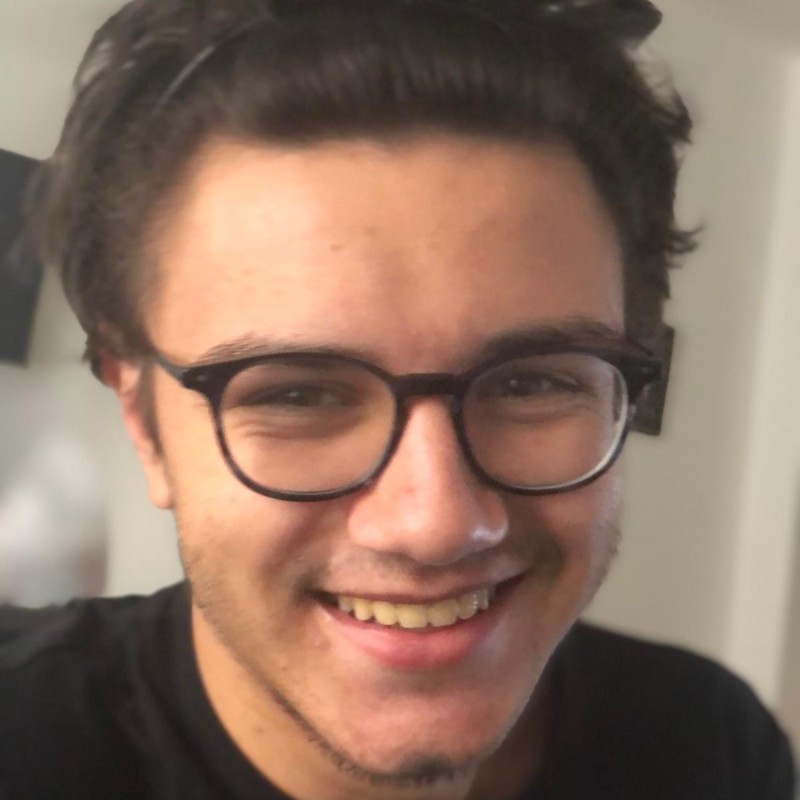
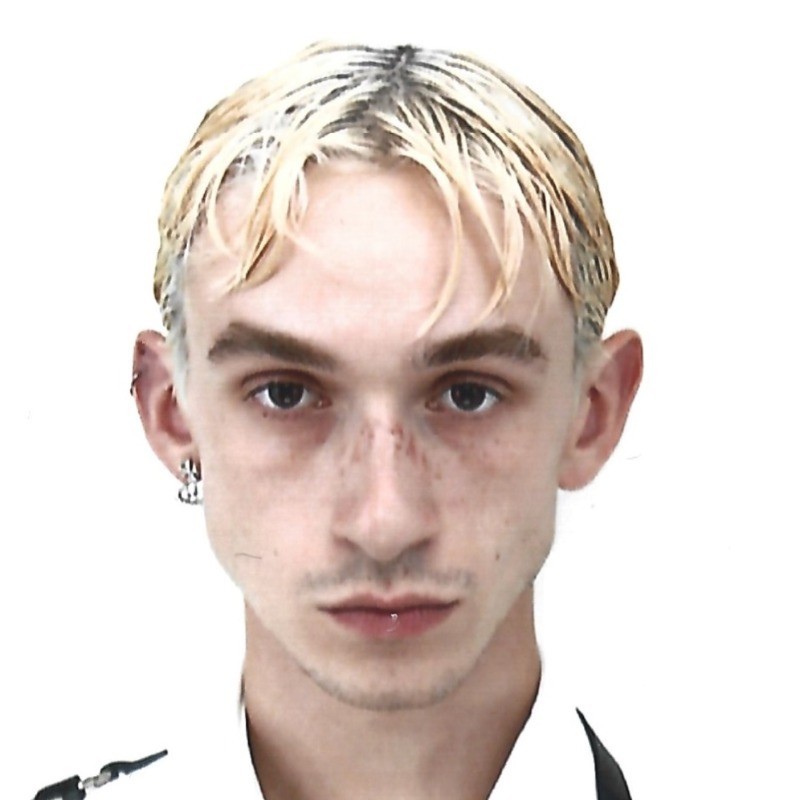
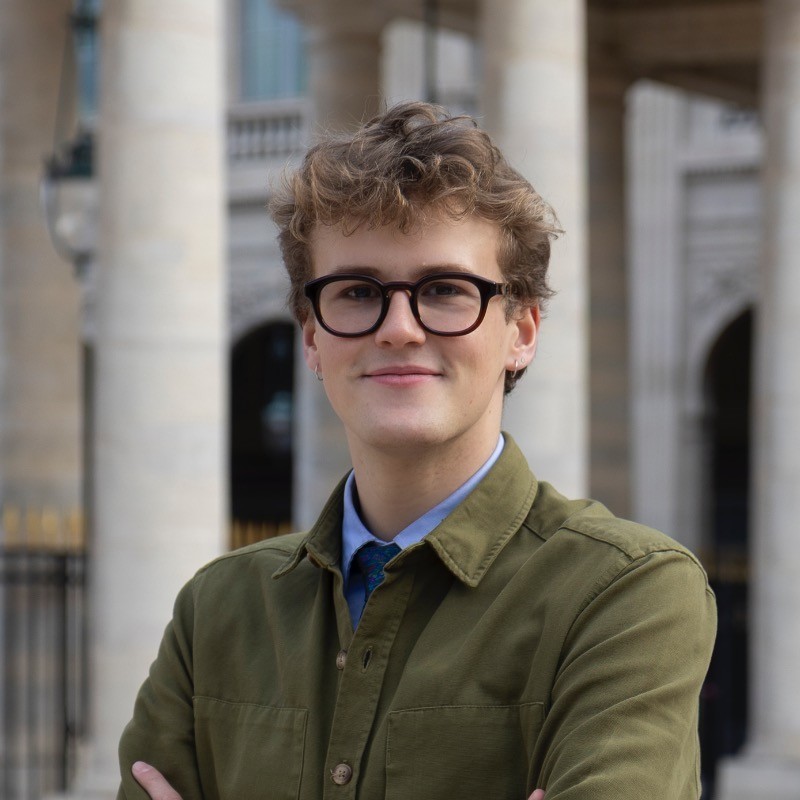
No single discipline can build this properly. ArtMaps sits between cultural research, mediation, product design, geography, data and software. The project is being built by people working across those boundaries and with the expertise of those closest to the works themselves.
No single discipline can build this properly. ArtMaps sits between cultural research, mediation, product design, geography, data and software. The project is being built by people working across those boundaries and with the expertise of those closest to the works themselves.


In the making

ArtMaps is beginning to exist beyond the people who first imagined it.
The first official partnership is in place. A public launch is planned for early January 2027. The team is growing, bringing new disciplines and ways of thinking into the project, while conversations are already taking place with institutions and cultural practitioners across several countries.

That expansion matters for more than scale.
Every new place brings its own vocabulary, histories, standards, absences and ways of caring for what is there. What works in one city cannot simply be copied onto another. What an archive knows may differ from what a neighbourhood remembers. What one institution calls a collection may, elsewhere, be understood as a landscape, a route or a living practice.
So the task is not to make the outside behave like the museum.
It is to build something coherent enough to travel, and attentive enough to change when the place demands it. There is still much to test, question and build. We would rather keep the right questions open than settle them too early.
So the task is not to make the outside behave like the museum.
It is to build something coherent enough to travel, and attentive enough to change when the place demands it. There is still much to test, question and build. We would rather keep the right questions open than settle them too early.
So the task is not to make the outside behave like the museum.
It is to build something coherent enough to travel, and attentive enough to change when the place demands it. There is still much to test, question and build. We would rather keep the right questions open than settle them too early.


9:41

9:41

9:41

9:41

9:41

9:41

9:41

9:41

9:41
9:41
9:41
9:41
9:41
9:41
9:41
9:41
9:41
9:41
9:41
9:41
9:41
9:41
9:41
9:41
9:41
9:41
9:41
9:41
9:41
9:41
9:41
9:41
9:41
Join us on this journey
Join the first people to discover the art, stories and cultural layers already woven into the places around them.